Auction House: Why Competition Creates Better Buying Opportunities

Competition plays a major role in many aspects of life, from sports and business to innovation and technology. An auction house applies the same principle to buying and selling products. Rather than relying on fixed prices, auction houses allow buyers to compete through bidding, creating a marketplace where value is determined by demand and participation.
While auctions have existed for centuries, they remain highly relevant today. Modern auction houses continue to attract buyers because competition often leads to transparency, flexibility, and exciting opportunities that traditional retail environments cannot easily replicate.
What Is an Auction House?
An auction house is a marketplace where products are sold through a bidding process. Participants place bids on items during a specified auction period, and the highest bidder typically wins the product.
This system differs from conventional retail because pricing is not fixed. Instead, buyers collectively influence the final selling price through their participation.
Why Competition Matters
Competition is the foundation of every successful auction house.
When multiple buyers are interested in the same product, bidding activity reveals how much value participants place on that item. Rather than relying solely on a retailer’s pricing decision, the marketplace itself helps establish worth.
This process creates a transparent and dynamic buying environment.
How Competition Benefits Buyers
At first glance, competition may seem beneficial only to sellers. In reality, buyers gain several advantages as well.
- Greater pricing transparency
- Access to real market demand
- Opportunities to discover value
- A more engaging purchasing process
- Increased flexibility compared to fixed pricing
These benefits help explain why auction houses continue to attract loyal participants.
The Difference Between Retail and Auctions
Traditional retailers establish prices in advance. Buyers can either accept those prices or continue searching elsewhere.
An auction house offers a different approach. Buyers participate directly in the pricing process, making each transaction more interactive.
This involvement often encourages greater awareness of value and spending decisions.
Why Experienced Buyers Welcome Competition
New auction participants sometimes view competition as an obstacle. Experienced buyers often see it differently.
Competition provides information. Active bidding reveals product demand and helps participants better understand the marketplace.
Instead of fearing competition, seasoned bidders use it as part of their decision-making process.
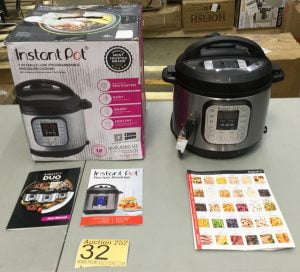
Products Commonly Found at an Auction House

Modern auction houses feature a wide variety of products.
Popular categories include:
- Electronics
- Home appliances
- Furniture
- Power tools
- Kitchen equipment
- Outdoor products
- Baby essentials
- Home improvement items
The diversity of available inventory ensures that buyers can find opportunities across many different interests and needs.
Lessons Competition Teaches Buyers
Participating in an auction house often encourages valuable habits.
Successful buyers learn to:
- Research product values
- Set spending limits
- Remain patient
- Think strategically
- Focus on long-term value
These skills help improve purchasing decisions both inside and outside auction environments.
The Digital Evolution of Auction Houses
Technology has expanded the reach of modern auction houses significantly.
Today, buyers can participate through computers, tablets, and smartphones. Real-time updates, automated bidding tools, and detailed product information make auctions more accessible than ever before.
This digital transformation has introduced auction participation to entirely new audiences.
Why Auction Houses Remain Relevant
Even as e-commerce continues to evolve, auction houses offer something unique: a marketplace driven by participation rather than fixed pricing.
For many buyers, this creates a more engaging and transparent shopping experience while providing opportunities that traditional retail cannot always match.
Final Thoughts
An auction house demonstrates how competition can create value for both buyers and sellers. By allowing participants to influence pricing through bidding, auctions establish a transparent environment built on demand, strategy, and opportunity.
Whether you’re searching for electronics, appliances, furniture, tools, or household essentials, auction houses provide a unique way to shop while encouraging smarter purchasing decisions.
Explore an auction house today and discover how competition can lead to better buying opportunities.





 Register on a Trusted Platform – Create an account on a reputable


 Winning an auction
 After the sale
 Internet auctions are equal parts of shopping and sporting. They are not only prime sources of both new and used furniture, accessories or artwork, but also exciting events for bargain hunters and collectors. Learning how to bid in the right way is the first step. If you are looking for the starting tips, this article will be helpful to you.
 Don’t waste your hard earned money in the auctions simply because you can’t ask questions. If you are not able to attend the person to person preview, use the inquire button to collect more information. You can also request for more photos or additional information by sending an email.
 Remember to stay true to your strategies when you participate in
  Have you ever participated in an internet auction?
  Online auctions
  So, what can we expect to be the future of online auctions? Many auction sites will be established. This is because of the increasing demand as more and more buyers are getting digitalized, and thus seeking to know more about the online markets. The high levels of competition will mean that auction sites will provide more advanced customer services. Both buyers and sellers will have many options, and this implies that future internet transactions will be reliable.
 Internet auction sites remain open throughout. This reduces the pressure that comes from the fear of finding the doors closed. It also allows all people to participate in the trade during a convenient time.
 As you can see,